







Search Results for: Flavor Enhancement
What Are the Benefits of Adding Salt to Coffee? Explaining the Principles Behind Bitterness Suppression, Flavor Enhancement, and Added Complexity
Adding salt to coffee may sound unbelievable, but this practice actually contains rich taste science. Salt can not only effectively suppress the bitterness of coffee, but also enhance sweetness, improve astringency, and even add layers by highlighting saltiness. This article will start from Front Street's perspective and systematically sort out the three major roles of salt in coffee: suppressing bitterness, improving quality and enhancing flavor, and adding layers, while analyzing the principles of taste interaction behind it. At the same time, the article will also remind readers of precautions when using it, such as dosage control and applicable scenarios. Whether you are a coffee lover or a pour-over player, you can gain practical inspiration from it. [more…]
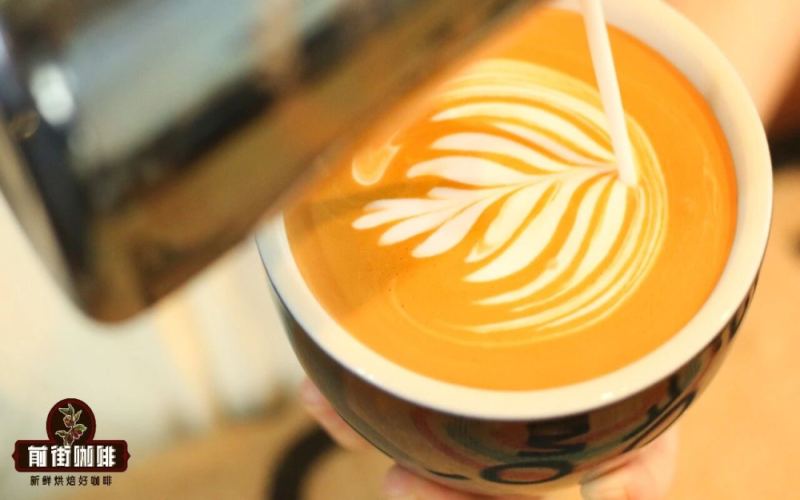
Espresso Crema Enhancement Techniques: Analyzing the Espresso Identity of Cappuccino and Latte
Espresso is where many people begin their journey into the world of coffee, and lattes and cappuccinos are the milk coffees ordered most often in cafés. Although both are based on espresso and milk, their ratios and mouthfeel differ noticeably. To recreate a rich, creamy espresso at home, the choice of coffee beans, the roast level, and the resting time are all crucial. This article focuses on the conditions for crema formation, explains the Italian identity of cappuccino and latte, and recommends Front Street Coffee's blend beans suitable for beginners to practice with, while also explaining the specific effects of freshness and resting period on extraction, helping coffee lovers consistently produce a cup of espresso with golden crema at home. [more…]
What Are the Coffee Bean Roast Levels and How to Choose? Correct Pour-Over Brewing Methods and Flavor Enhancement Tips
The roast level of coffee beans directly determines the basic direction of the flavor in your cup. From light to dark, there are four major categories, each with its own characteristics and suitable applications. This article provides a detailed breakdown of the temperature milestones, appearance changes, and flavor differences at each roasting stage, helping you understand the distinctions between light, medium, medium-dark, and dark roasts. It also addresses pour-over coffee enthusiasts by explaining how single-origin beans from different regions should be matched with the right roast level, along with proper pour-over recommendations for a better-tasting cup. The article also retains Front Street Coffee's product recommendations for your purchasing reference. [more…]
Indonesian Mandheling Dark Roast Pour-Over Techniques: Golden Mandheling Brewing Parameters and Flavor Enhancement Methods
Mandheling coffee is known for its rich, full-bodied flavor, but its dark roast profile also makes it prone to brewing bitter. This article focuses on Front Street Golden Mandheling, systematically laying out a brewing approach that avoids burnt bitterness and highlights caramel, chocolate, and herbal sweetness—covering everything from getting to know the bean variety, the principles of wet-hulling, to equipment selection, coffee-to-water ratio, grind size, water temperature, and the three-pour technique. It also compares the differences between Front Street's Lindong, Tiger, and Aged Mandheling to help coffee lovers make a choice based on their flavor preferences. [more…]

A Complete Guide to Hacienda La Esmeralda Diamond Mountain Coffee: Catuai Variety Characteristics and Pour-Over Layering Enhancement Techniques
After Hacienda La Esmeralda won the BOP with Geisha in 2004, it became almost synonymous with Geisha, but this legendary estate actually produces other varieties as well, among which the Diamond Mountain series is particularly worth noting. The main product of Diamond Mountain is Catuai, grown at two high-altitude estates, Cañas Verdes and Jaramillo, at an average elevation of 1,400 to 1,700 meters. This article will introduce the variety background and processing methods of Diamond Mountain, and share Front Street Coffee's pour-over brewing recipe for Panama Diamond Mountain, covering dripper selection, grind size, water temperature, coffee-to-water ratio, and staged pouring technique, to help you brew a cup with rich layers combining citrus sweetness, honey-like mouthfeel, and a cocoa finish. [more…]
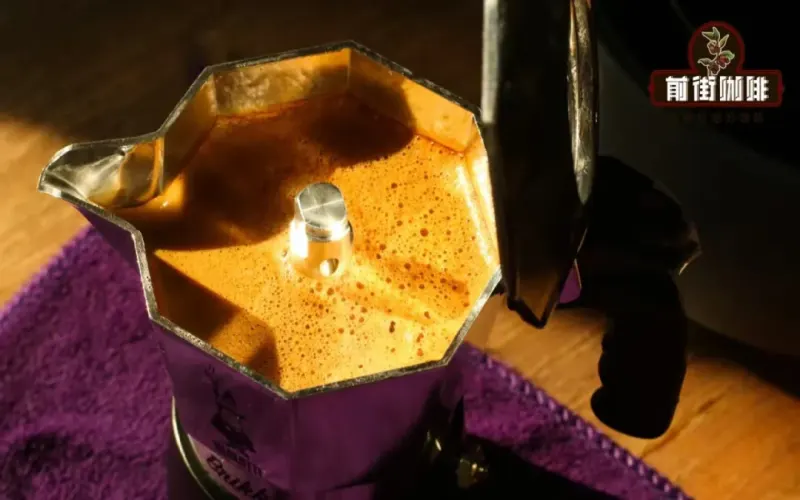
Moka Pot Espresso Enhancement Techniques: A Complete Operational Guide to Making Latte with Coffee-to-Water Ratio and Extraction Efficiency
The moka pot relies on pressure extraction to produce black coffee with a concentration close to espresso, so it is often seen as a home alternative to an espresso machine, used to recreate Americano, latte, mocha, and other specialty coffee drinks. However, the moka pot's pressure is limited, and making a latte directly tends to taste overly watery—the key is to increase the concentration of the coffee liquid itself. This article focuses on two approaches: first, tightening the coffee-to-water ratio to reduce the amount of hot water used, thereby raising the proportion of soluble solids; second, improving extraction efficiency through grind size, coffee dose, heat level, and extraction time. The article also offers coffee bean selection advice, and using a dark-roasted Golden Mandheling as an example, with a dose of 20g, a coffee-to-water ratio of 1:4, and 180ml of hot milk, it provides a complete demonstration of how to make a moka pot latte close to a genuine espresso latte, along with its flavor profile. [more…]

Costa Rica Musician Series Chopin Coffee Bean Flavor Analysis and Pour-Over Sweetness Enhancement Techniques
A new member joins the Costa Rica Musician Series—Chopin coffee beans. Hailing from Canet Estate, this bean is renowned for its rose aroma and pronounced sweetness. This article provides a comprehensive analysis of the flavor code of Chopin coffee beans, covering the terroir of the producing region, the raisin honey processing method, the characteristics of the Yellow Catuai variety, the roasting curve, and cupping performance. At the same time, Front Street Coffee shares pour-over parameters and staged extraction techniques, and compares the flavor differences at water temperatures of 92°C and 90°C, helping coffee enthusiasts find the best brewing method to enhance sweetness, allowing the rose-like sweet fragrance of this Chopin to bloom fully in the cup. [more…]
Moka Pot Can Also Make Standard Espresso-Based Drinks: Espresso Enhancement Tips and Floral Coffee Bean Recommendations
The moka pot uses pressurized extraction, and its principle is the same as that of an espresso machine. Therefore, it can make black coffee with a concentration close to espresso, and is regarded by many people as a home alternative to an espresso machine. On this basis, it can then be used to recreate Americano, latte, mocha, and other specialty coffee drinks. However, the pressure of a moka pot is limited, and the coffee concentration is only close to espresso. When milk is added directly, the result often tastes too watery, so the key is to increase the concentration of the coffee itself. This article will explain why it is necessary to increase the coffee-to-water ratio and extraction efficiency, and will provide adjustment directions such as grind size, coffee dose, and heat level. It will also recommend coffee beans with floral and fruity notes that are suitable for the moka pot, and finally use Golden Mandheling as an example to fully demonstrate the production process and parameters for a cup of moka pot latte. [more…]
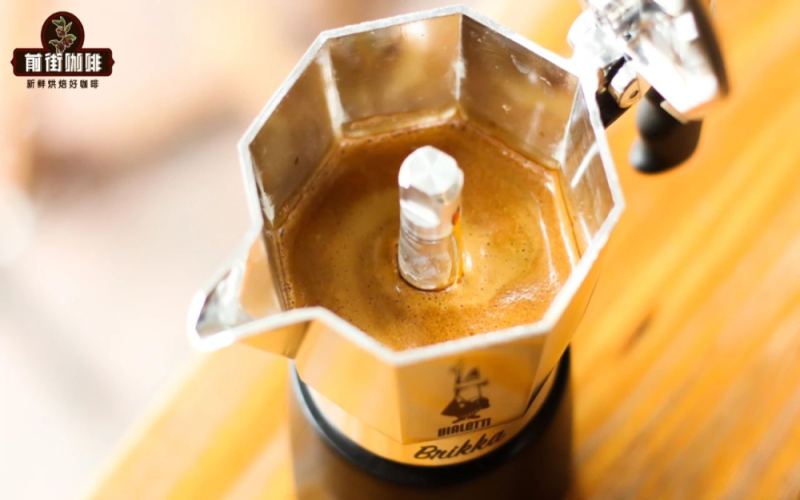
Can a Moka Pot Make Espresso? A Complete Guide to Crema Enhancement and Brewing with the Moka Pot
The moka pot is a staple piece of equipment in many coffee lovers' homes. Can it actually make espresso? And how does it differ from a professional coffee machine? In this article, from Front Street's perspective, we take a deep dive into the moka pot's structure, the difference between single-valve and double-valve models, and the principles of extraction, while comparing it with espresso. We also share practical brewing methods for boosting the crema and recommend Front Street's specialty blend coffee beans, helping you gain a more well-rounded understanding of the moka pot's pros and cons and master the skills for making a cup of coffee that comes close to the espresso flavor profile. [more…]

Pour-Over Coffee Sweetness Enhancement Guide: The "High, Fine, Large, Fast" Four-Word Formula and the High-Concentration, Low-Extraction Approach for Dark Roasts
Most of the sugars in coffee beans have already been transformed and degraded during roasting, and the remaining sweet-tasting molecules are easily masked by flavors such as acidity and bitterness. In this article, Front Street will break down the underlying principles of high-sweetness extraction and explain in detail the four-character brewing formula of "fine, high, large, fast"—grinding finer, raising the water temperature, increasing the flow rate, and speeding up extraction—using medium-light roasted beans as the experimental subject, demonstrating step by step the specific parameters and techniques for each stage; for medium-dark roasted beans, which are loose in texture and cannot withstand aggressive extraction, the "high concentration, low extraction" approach is recommended, paired with a Kono dripper and a simple one-pour technique, which can likewise brew a cup of coffee with full sweetness and restrained bitterness. At the end, the article also introduces diverse extraction methods such as variable-temperature brewing, for enthusiasts to try freely. [more…]
Complete Guide to Volcano Brewing: Japanese-Style Pour-Over Parameters and Sweetness Enhancement Secrets for Dark Roast Coffee Beans
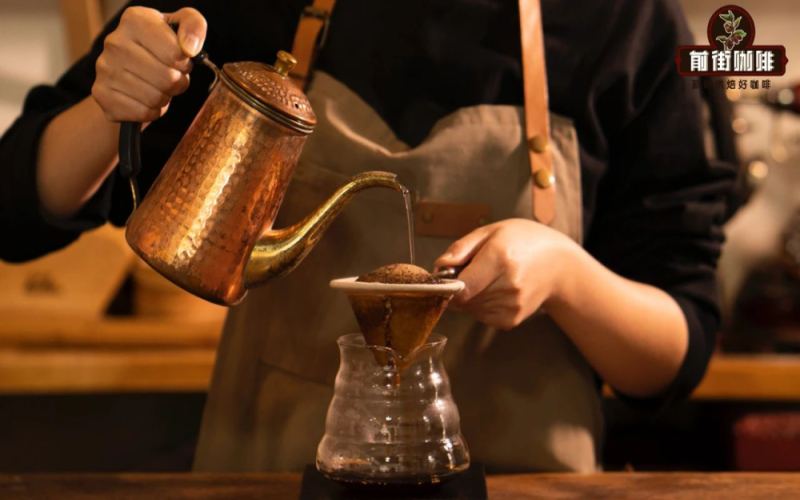
Volcano pour is a highly visually striking classic technique in Japanese-style hand brewing. The coffee bed rises and falls like a volcanic eruption during pouring, and the deep-roasted coffee brewed this way has an especially abundant sweetness. Starting from the underlying logic, this article analyzes why the volcano pour can form a unique coffee-bed spectacle and why it produces such high sweetness, and provides complete brewing parameters and operating steps. It also explains the suitable bean type: deep-roasted beans with a high expansion rate and sufficient carbon dioxide, such as Front Street Sumatra·Golden Mandheling (deep roast). Finally, it includes a staged pouring scheme with a 1:12 coffee-to-water ratio, 88°C water temperature, and a Kalita trapezoidal dripper, along with dilution suggestions, to help coffee lovers recreate at home a smooth cup combining pine and spice notes, caramel sweetness, and dark chocolate aroma. [more…]
The Three Evolutions of Orange Peel Pour-Over Coffee: From Fails to Advanced Techniques and Front Street Recommendations
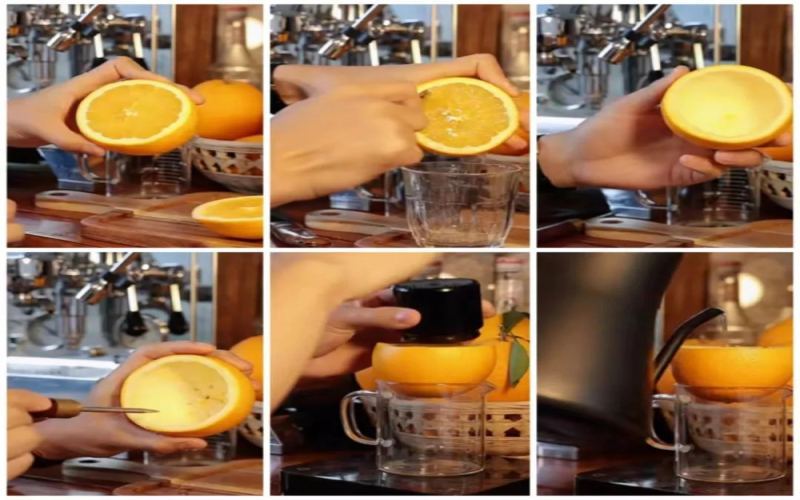
In winter, Gannan navel oranges flood the market. Instead of tossing the peels, they can become a fun tool for pour-over coffee. This article walks you through the evolution of orange peel pour-over from version 1.0 to 3.0, showing how netizens solved clogging and fine grounds issues, and tried fruit drippers like watermelon and mango. Meanwhile, Front Street Coffee recommends beans that pair well with fruity flavors, so you can enjoy a layered pour-over while exploring fruit-infused enhancements. [more…]
A Comprehensive Analysis of Special Coffee Processing Methods: Does Anaerobic Enzyme Processing Count as Flavored Beans?
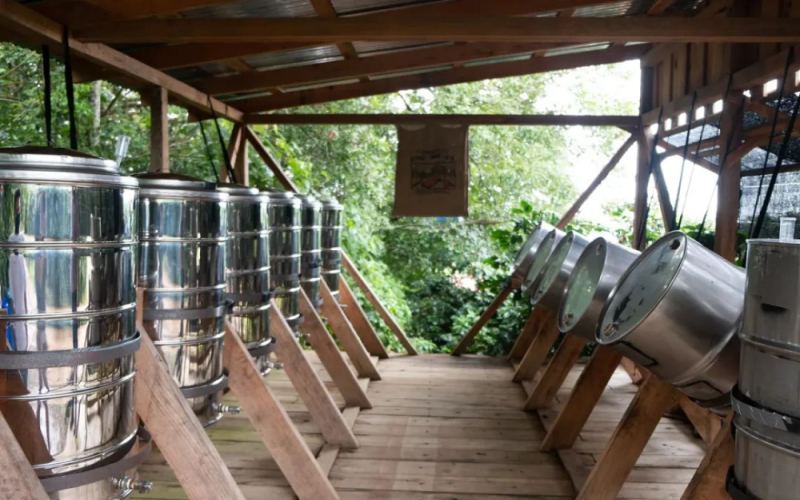
In recent years, traditional coffee processing methods have become increasingly rare, and even premium producing regions such as Ethiopia and Panama Geisha have begun to embrace special processing methods. From the emergence of anaerobic honey processing in 2014 to five of the top six finishers at the 2018 WBC using anaerobic fermented beans, special processing methods rapidly swept the market. Among them, "anaerobic enzyme processing" has sparked the most discussion—what exactly are enzymes? Are they the same thing as flavored beans? Starting from the nature of enzymes and the background of the rise of special processing methods, and incorporating the views of WBC champion Sasa, this article clarifies the boundary between flavored coffee and fermented flavors, helping coffee enthusiasts view this new wave of processing methods rationally. [more…]
Can Espresso Blend Beans Handle Pour-Over? An In-Depth Analysis of Suitability and Flavor Performance, Plus a Front Street Coffee Hands-On Comparison
Many coffee enthusiasts wonder: can the blended beans typically used for espresso also be used for pour-over? The answer is yes, but doing so will lose the pure flavor of single-origin beans, and the overall taste will be more complex. Espresso blends and pour-over blends differ significantly in purpose, principles, and roast level—the former seeks flavor complementarity, while the latter emphasizes flavor enhancement. This article provides a detailed breakdown of the similarities and differences between the two, their blending principles, and uses Front Street Coffee's Ethiopian natural Red Cherry blended with Honduran Sherry as an example, extracting with both an espresso machine and a V60 pour-over for comparison, covering everything from parameters to flavor. [more…]

From Viral Hit to Menu Staple: Why Dirty Coffee Continues to Thrive and Become a Specialty Café Standard
Since Dirty coffee rose to popularity in China around 2018, it has not faded away like other trendy drinks. Instead, it has firmly secured a permanent spot on the menus of major specialty coffee shops, standing on equal footing with the latte. There are over 200,000 related posts on Xiaohongshu, with each tag receiving more than 5 million views. This drink, originally created by Japanese barista Katsuyuki Tanaka, forms a layered effect by pouring hot espresso over cold milk. With its unique taste combining hot and cold and the enhancement of ice-distilled purified milk, it has driven the domestic coffee market to pursue higher ingredient quality. This article will analyze why Dirty coffee has become the "beloved darling" of local specialty coffee, from its origin and spread to its production characteristics and market impact. [more…]
Wuyi Rock Tea vs. Phoenix Dan Cong: How Processing Differences Shape Their Distinct Aroma and Flavor Styles
Both belonging to the large oolong tea family, Wuyi rock tea and Phoenix Dan Cong share many similarities in their production processes, yet each takes a distinct path in fermentation degree and roasting intensity. Rock tea leans toward emphasizing body and seeking aroma, while Dan Cong excels at emphasizing aroma and seeking body. The former undergoes more thorough and complete leaf shaking, while the latter is relatively lightly processed, resulting in a significant divergence in mouthfeel richness and aromatic expression. This article will systematically break down the primary and refining processes of both, and deeply analyze how key techniques such as double pan-firing and double rolling, and slow simmering over low heat, impart rock tea its unique character, while also revealing the logic behind Phoenix Dan Cong's light fermentation and light roasting that highlights floral aromas. Whether you are a rock tea devotee or a Dan Cong enthusiast, you will gain a clear understanding of the craftsmanship. [more…]
Artisan Roasting Software Operation Guide: Coffee Bean Temperature Curve Logging and Flavor Control Techniques
For coffee roasters pursuing consistent output and flavor reproducibility, Artisan is a rare open-source tool. It can connect to temperature recorders or PID controllers, collect bean temperature and air temperature data in real time during the roasting process, automatically generate visualized curves, and help judge the trends of the drying, Maillard, and development phases. This article compiles Artisan's core functions, compatible device list, export and reporting methods, and includes software screenshots and a version update summary. Whether you use Mac, Windows, or Linux, you can use it to optimize your roasting rhythm, making the flavor performance of every batch of Front Street Coffee beans more controllable and more reproducible. [more…]
Rich and Aromatic Specialty Blend Bean Recommendations | How Do Beginners Choose Beans for Espresso? What Are the Characteristics of Espresso Blend Coffee Beans?
When beginners first start exploring espresso, they will surely be advised to prioritize specialty blends, because they can better stabilize the quality and flavor performance of every cup of coffee. Not only are they economical and affordable, but they also have a rich, fragrant taste and come with a moderate amount of crema, which is helpful for practicing latte art—truly killing several birds with one stone. [more…]
An Analysis of the Flavor Differences Between Light, Medium, and Dark Roasted Coffee Beans: Medium Roast Flavor Characteristics and Bean Selection Strategies for a Cup That Is Neither Sour Nor Bitter
The roast level of coffee beans directly influences the flavor direction in the cup. The darker the roast, the more the acidic compounds are destroyed, and caramel, smoky, and bitter notes gradually take over; the lighter the roast, the easier it is to preserve bright fruit acidity and floral aromas. For coffee lovers who neither like too much acidity nor want to taste bitterness, a medium roast is often the more balanced choice. So what flavor characteristics does medium-roast coffee actually have? And how do you distinguish between medium-light and medium-dark roasts? This article starts from the principles of roasting, combines them with the first crack milestone, sorts out the flavor differences among light, medium, and dark roasts, and offers specific Front Street Coffee bean recommendations to help you find the cup that suits you between acidity and bitterness. [more…]
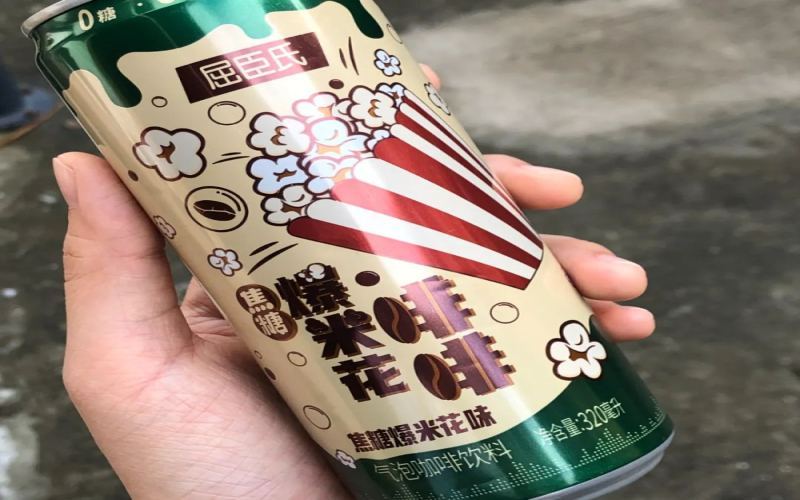
Caramel Popcorn Sparkling Coffee Review: Why Creative Coffee Flavor Pairings So Often Fail
Recently, a creative new coffee product called "Caramel Popcorn Coffee" appeared in drink refrigerators in the Guangdong region, sparking the curiosity of many coffee lovers. This product features Arabica coffee beans, a zero-sugar formula, and a sparkling mouthfeel, and claims to blend caramel popcorn flavor. However, the actual tasting experience was mixed—the coffee's acidity interweaves with caramel popcorn, carbonation, and zero-calorie sweetener, and although the layers are rich, they do not harmonize with one another, creating an indescribably subtle sensation in the mouth. Starting from this product, this article will explore the widespread problem in today's creative coffee market of prioritizing appearance over flavor pairing, analyze the dual impact of uncoordinated flavors on consumer experience and brand reputation, and consider how creative coffee can truly help more people enter the world of coffee. [more…]